


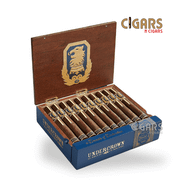
Understanding Cigar Wrapper, Binder, and Filler
Posted by Cigar Tom on 30th Jun 2026
Key Takeaways:
- Premium cigars rely on a precise harmony of three distinct components: wrapper, binder, and filler.
- The outer wrapper yields most of the cigar's taste profile.
- The elastic binder ensures structural integrity and a uniform burn.
- The interior filler blend dictates the final body, complexity, and airflow.
Introduction
Every premium cigar tells a story, and that story starts long before it reaches your humidor. While many enthusiasts choose cigars based on the brand, size, or origin, the real character of a cigar is based on three essential components: the wrapper, binder, and filler. Each element plays a unique role in determining the flavor, aroma, burn quality, and overall smoking experience. When you understand how these parts work together, you get to appreciate the craftsmanship behind every hand-rolled masterpiece like the Drew Estate cigars and make more informed purchasing decisions.
The Wrapper as the Flavor Powerhouse
As the outermost leaf of the cigar, the wrapper is the most expensive and pristine component because it needs to look beautiful and burn flawlessly. Beyond aesthetics, the wrapper is a dominant force in your smoking experience, and it determines the overall flavor profile of your cigar due to the concentration of essential oils in these specialized leaves.
The Binder as the Structural Hero
Just beneath the wrapper lies the binder, whose primary job is to hold the filler leaves together in a tight, uniform bunch. Binder leaves are typically thick, elastic, and chosen for their durability and combustion strength. The middle layer is so crucial that without a high-quality binder, a cigar will burn unevenly or lose its shape entirely.
The Filler: The Complex Core
The filler forms the dense core and the bulk of the cigar. Master blenders combine different types of tobacco leaves from different plant sections and geographic regions to dial in the cigar's strength, body, and underlying tasting notes.
To further clarify things, here's a table on how these three layers compare:
|
Component |
Primary Role |
Impact on Smoke |
|
Wrapper |
Aesthetics and flavor |
Delivers the main taste profile |
|
Binder |
Structure and combustion |
Ensures a straight, even burn |
|
Filler |
Blend depth and strength |
Dictates body and airflow |
Conclusion
When these three elements work in synchrony like a charm, they can create a beautifully balanced puff that evolves from the first light to the final puff. All set to experience the craftsmanship of beautifully bodied blends like the Drew Estate cigars? Explore our curated collection of premium blends at Cigars N Cigars today, and find your perfect smoke!
FAQs
Q. Can a bad binder ruin a great wrapper and filler?
A. Yes, if the binder leaf doesn't burn well, it can cause the cigar to tunnel (burn down the center while leaving the outer layer unburnt) or canoe (burn entirely down one side), which completely wastes the premium tobaccos inside.
Q. Does a darker wrapper automatically mean a stronger cigar?
A. Not at all, because the overall strength of the cigar is primarily determined by the filler blend inside.
Q. What is the story behind the Drew Estate "Undercrown" line?
A. The Undercrown blend of the Drew Estate cigars was actually born from the factory rollers (torcedores) themselves. When a shortage of the ultra-premium Liga Privada line meant rollers were told to smoke fewer of them, they created their own "inverse" blend using alternative, readily available premium primings.